
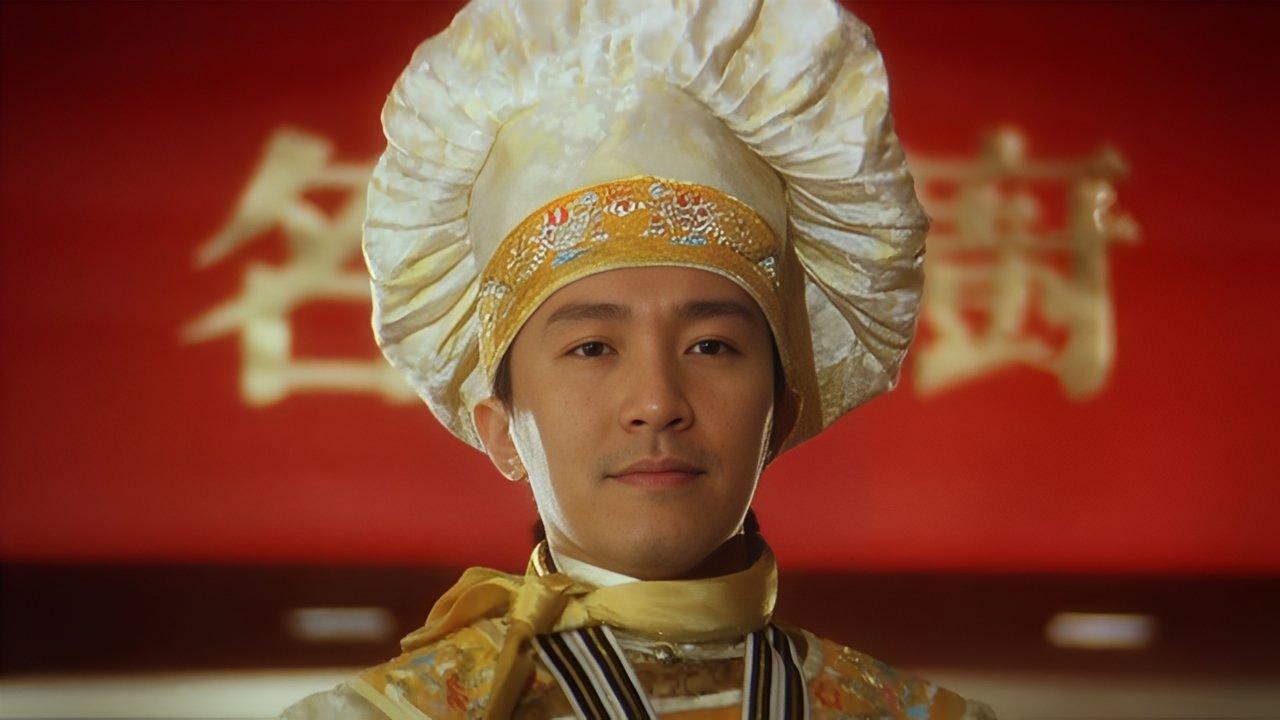
 FeaturedThe God of Cookery1996 · ★ 7.2 · 95 minThe most renowned and feared chef in the world loses his title of God of Cookery because of his pompous attitude. Humbled, he sets out to reclaim his title.
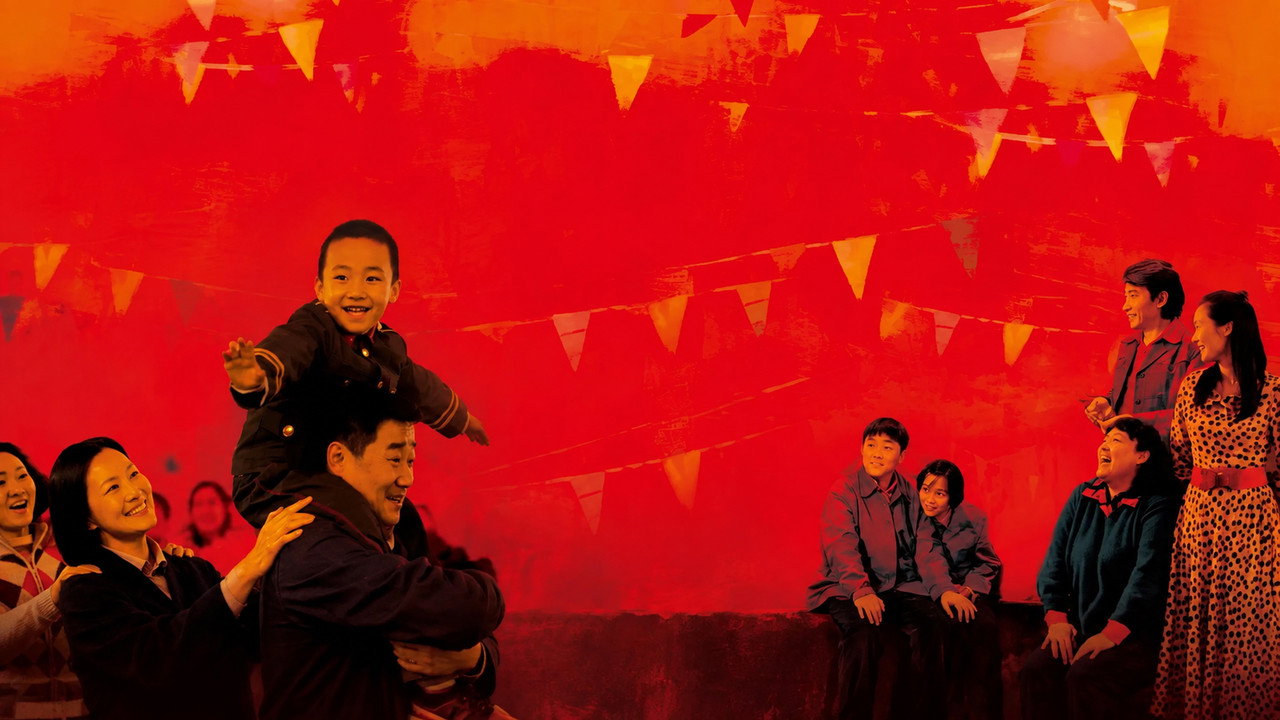 So Long, My Son2019 · ★ 7.7
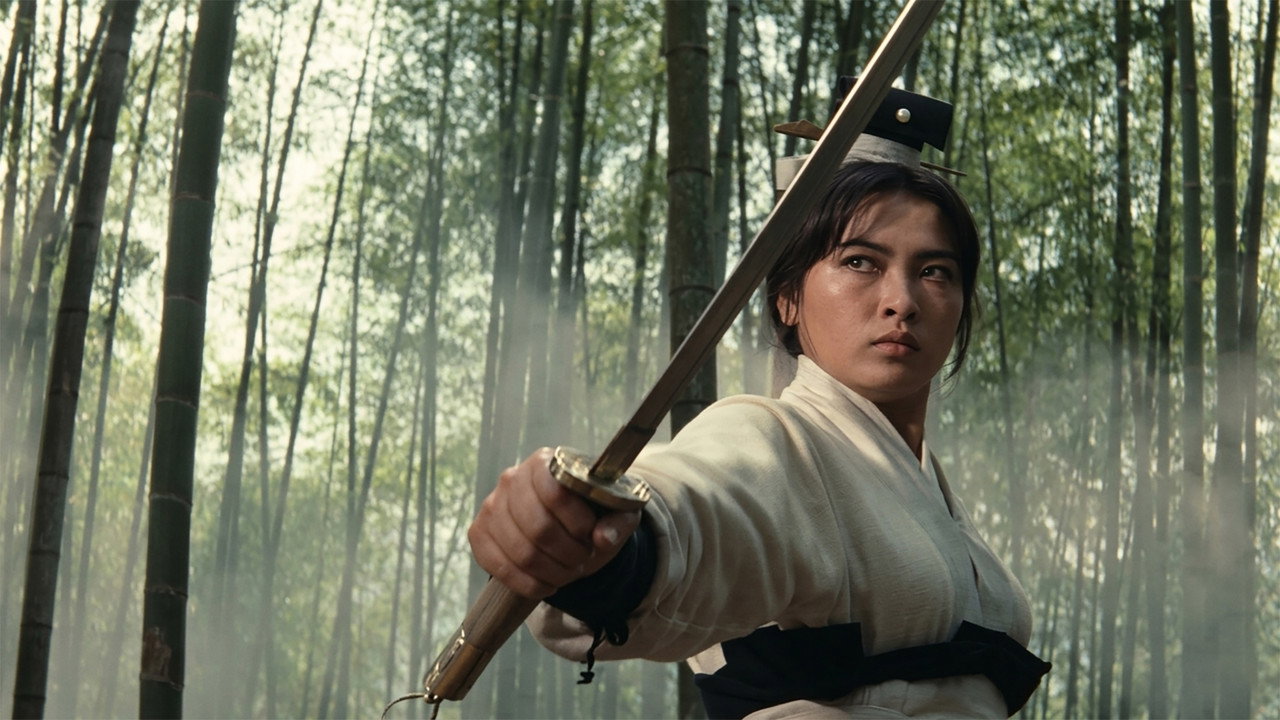 A Touch of Zen1970 · ★ 7.6
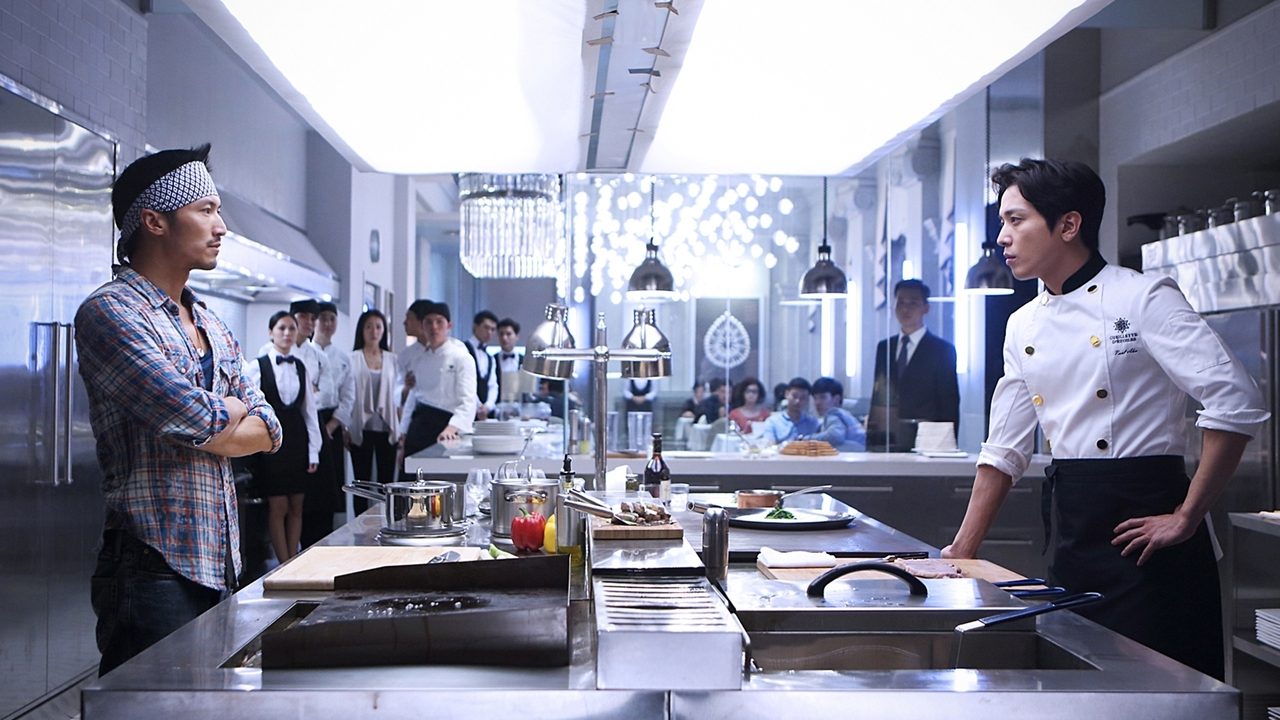 Cook Up a Storm2017 · ★ 7.5
 Left-Handed Girl2025 · ★ 7.3
Cinejoy: Chinese-language films from The God of Cookery, A Touch of Zen and Lost in Thailand to So Long, My Son, Peking Opera Blues and Return to the 36th Chamber, and where to watch them
159 films in Mandarin and Cantonese, 1963 to 2026, chosen for the whole household.
ComedyDramaRomanceKung fu and wuxiaFantasy and adventureMainland ChinaHong KongTaiwan and SingaporeYouth and schoolFoodStage and screenSport
Comedy
View all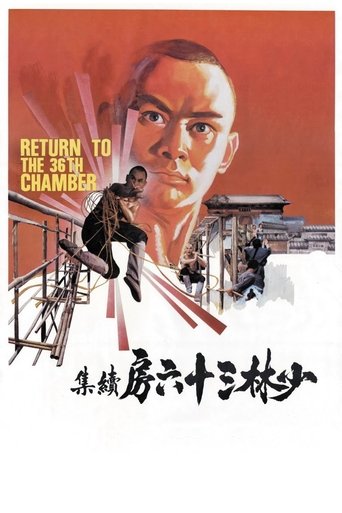
Kung fu and wuxia
View all

Romance
View all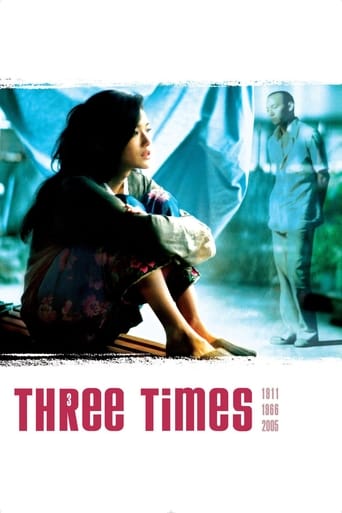
Mainland China
View all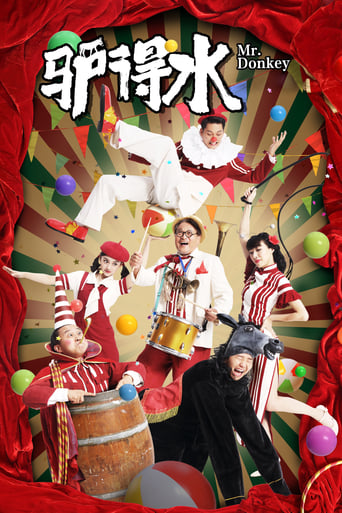
Hong Kong
View all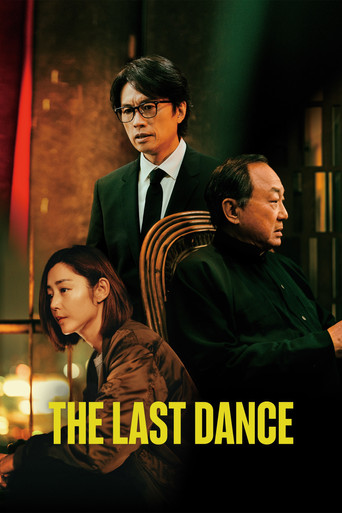
Taiwan and Singapore
View all

The Cinejoy guide to Chinese-language films
Cinejoy: Chinese-language films from The God of Cookery, A Touch of Zen and Lost in Thailand to So Long, My Son, Peking Opera Blues and Return to the 36th Chamber
Chinese-language cinema is three cinemas in one. Hong Kong built the fastest, funniest popular film industry in Asia, with its kung fu comedies, its Lunar New Year farces and its romances set among neon and trams. Mainland China, after 1980, produced generation after generation of directors who looked hard at how ordinary lives were changing. Taiwan, on a far smaller scale, made some of the most tender films about family and memory to be found anywhere. Cinejoy is a guide to 159 films from all three, made in Mandarin and Cantonese between 1963 and 2026. Each has its own page, its story, its director and cast, and a Watch now button that leads to the official services carrying it in your country.
The catalogue has been chosen for the whole household. Every summary was read by hand, and the selection favours comedy, romance, family stories, humane drama and the acrobatic, storybook action of the martial arts film. Triad and crime pictures, horror, films of the battlefield and adult dramas were left out. What remains includes a disgraced celebrity chef learning to cook again at a street stall, a scholar in a haunted fort who finds himself sheltering a fugitive noblewoman, two rival office workers lost in Thailand with an irrepressible pancake seller, and a Shaolin impostor who must go and learn the real thing.
Written in English for viewers anywhere, the guide below moves through the catalogue region by region and kind by kind, after proposing three films for a first sitting, and closes with notes on language, search and My List. All film titles are links.
What Cinejoy offers
Cinejoy is a viewing guide. Each of its 159 film pages carries a poster, a still, the story in a paragraph, the year, the running time, the director, the principal cast, and the Chinese title beside the English one. Beneath them sits one button, Watch now, which opens JustWatch for the country you select and shows the subscription, rental, purchase and free services that carry the film there. The guide itself holds pages of information, and the playing of every film happens on those official services.
Seventy-one films are Mandarin productions from the mainland, sixty-two are Cantonese films from Hong Kong, and twenty-eight come from Taiwan, Singapore and Malaysia; a number were made jointly. By kind, 110 are dramas, seventy are comedies, fifty are romances, thirty-five are kung fu or swordplay films, and twenty-eight are fantasies or adventures. Fifty-four concern childhood, school and youth, thirty-eight are set in the worlds of opera, music and film-making, fifteen revolve around food, and ten around sport.
By period, fifteen films date from before 1980, twenty-five from the eighties, nineteen from the nineties, twenty-eight from the 2000s, thirty-seven from the 2010s and thirty-five from 2020 onwards. The home page opens with a block of five stills, one large and four small, drawn from the top rated films. Chips beneath lead to the lists, and rows of six posters follow for comedy, kung fu and wuxia, romance, mainland China, Hong Kong, and Taiwan and Singapore.
A first evening
Three films make good first choices, one from each tradition. From Hong Kong comes The God of Cookery, made in 1996 by and with Stephen Chow, the city's best-loved comedian. Chow plays a television chef of colossal vanity whose empire is a fraud and who is exposed by a rival on live television. Ruined, he washes up in a back street, where a fierce noodle seller played by Karen Mok takes him in. Together they invent a new snack, and he sets out, by way of the kitchens of the Shaolin temple, to win back his title at a cooking contest of operatic absurdity. The jokes come at a tremendous rate, and the final dish, a simple bowl of barbecued pork and rice, is unexpectedly moving.
From Taiwan and Hong Kong together comes A Touch of Zen, directed by King Hu and completed in 1971. Gu, a mild scholar and painter, lives with his mother beside a ruined fort that the town believes to be haunted. A young woman moves in, and Gu slowly learns that she is the daughter of a murdered official, hunted by the agents of a corrupt court. The film begins as a ghost story, becomes a tale of strategy, and ends as something close to a spiritual vision. Its duel in a bamboo forest has been borrowed by film-makers ever since, and it was the first Chinese-language film to win a prize at Cannes. The swordplay is balletic, with leaps and feints in place of gore.
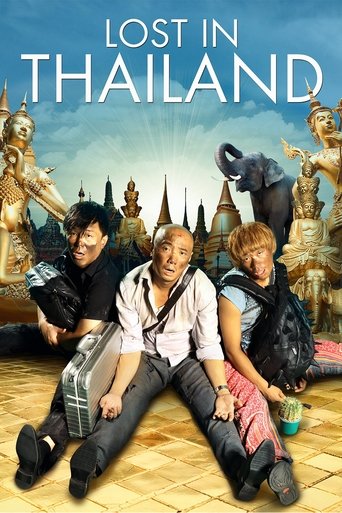
From the mainland comes Lost in Thailand, from 2012, for a time the most successful Chinese film ever released. Xu Lang, a scientist, flies to Bangkok to find his company's chairman before a rival colleague does. On the plane he meets Wang Bao, a cheerful maker of scallion pancakes on his first trip abroad, with a list of things to do and a cactus in a pot. The three chase each other across the country by taxi, lorry and elephant. It is a broad, warm road comedy about a hurried man being taught to slow down.
Each of the three leads onward: Stephen Chow to the Hong Kong comedies, King Hu to the wuxia shelf, and the road to Thailand to the popular cinema of the mainland today.
Hong Kong comedy
Sixty-two films come from Hong Kong, and the Hong Kong guide and the comedy guide introduce them. Modern Cantonese comedy begins with the Hui brothers. In The Contract, from 1978, Michael Hui plays a hapless television actor tied to a ruinous eight-year contract who decides, with the help of his inventor brother, played by the singer Sam Hui, to steal it back from the studio safe. Hui's long-faced exasperation set the tone for a generation.
The eighties added speed and star power. The Eighth Happiness, Johnnie To's Lunar New Year film of 1988, gives three brothers three romantic muddles, with Chow Yun-fat sending up his own tough image as a would-be actor. To and Chow teamed again for The Fun, the Luck & the Tycoon, in which the richest man in the city takes a job in a café to see how the other half lives. It's a Mad, Mad, Mad World II continues the adventures of the Biu family, whose lottery luck comes and goes. Working Class, directed by Tsui Hark in 1985, sets three friends to work in a noodle factory, and Mismatched Couples is a breakdancing comedy with the very young Donnie Yen.
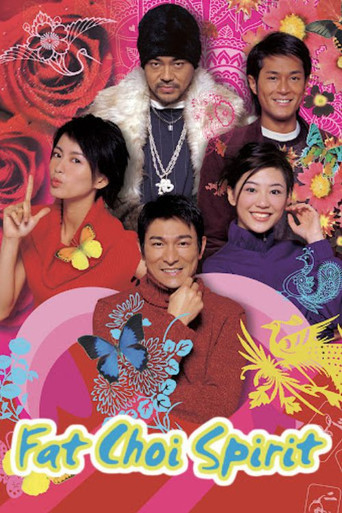
The New Year comedy is a Hong Kong institution: a film released for the holiday, packed with stars, ending with good wishes to the audience. It's a Wonderful Life, from 1994, gathers a large family, with Leslie Cheung and Tony Leung Ka-fai, between Christmas and the new year. Ten Brothers is a fantasy about a couple blessed with ten sons, each with a marvellous power. Fat Choi Spirit is built around the game of mahjong and the family that plays it. Later comedies are glossier: My Lucky Star, with Tony Leung Chiu-wai as a master of feng shui and Miriam Yeung as the unluckiest woman in the city; The Shopaholics; Love for All Seasons; and Wu Yen, a period fantasy in which Sammi Cheng, Anita Mui and Cecilia Cheung play an emperor, his fated bride and a mischievous fairy.
Hong Kong is also a city of quieter stories. Little Cheung, made by Fruit Chan in 1999, follows a nine-year-old who delivers lunches for his father's restaurant in the last months before the handover. Little Big Master, from 2015, is the true story of a headmistress who gives up a prestigious post to run a village kindergarten with five pupils. Weeds on Fire tells of the city's first youth baseball team. The Last Dance, from 2024, among the most successful Hong Kong films ever made, follows a wedding planner who takes a job arranging funerals beside a traditional Taoist priest, and learns the dignity of the trade. Anita is the life of the singer and actress Anita Mui, and She Remembers, He Forgets sends a woman back, in memory, to the school rooftop where she and her husband first met.
Kung fu and wuxia
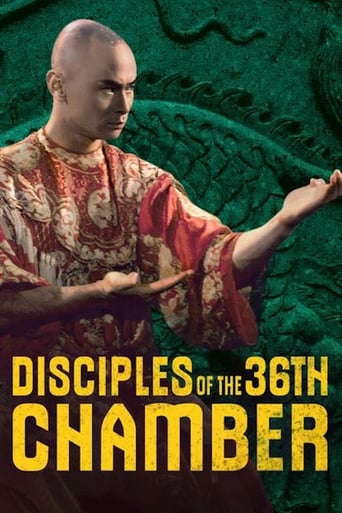
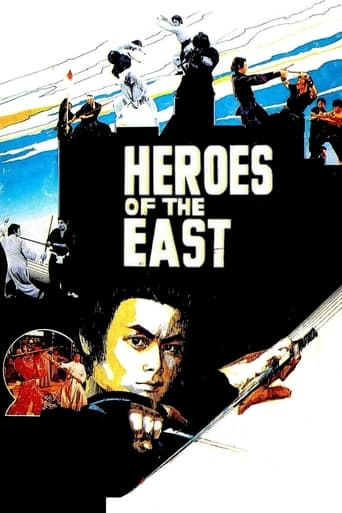
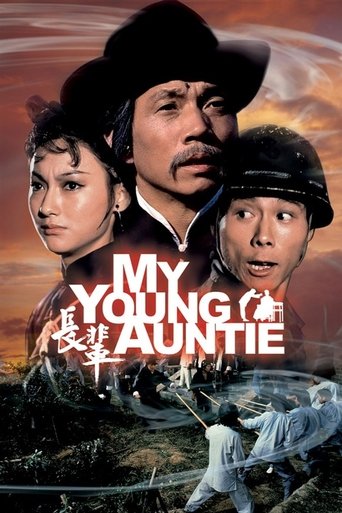
Thirty-five films are martial arts pictures, and the kung fu guide sorts them. The best are closer to dance and comedy than to combat. Lau Kar-leung, who came from a line of real martial artists, directed five of the films here for the Shaw Brothers studio. Return to the 36th Chamber, from 1980, is a comic sequel in which Gordon Liu plays a con man who poses as a famous Shaolin monk to frighten some bullying foremen, is found out, and goes to the temple to learn. The abbot sets him to building bamboo scaffolding for a year, and he discovers on his return that scaffolding has taught him everything. Heroes of the East, from 1978, turns a quarrel between a Chinese husband and his Japanese wife over whose martial arts are better into a week of friendly duels. My Young Auntie gives Kara Wai a comic showcase as a young widow from the country, and The Spiritual Boxer and Disciples of the 36th Chamber complete the set.
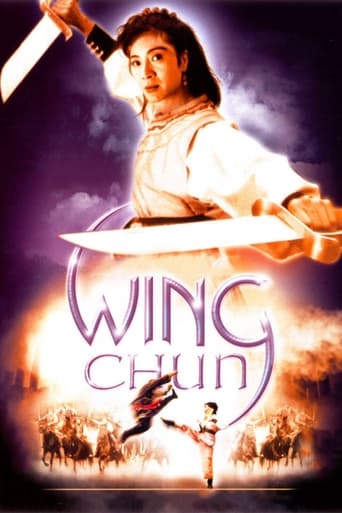
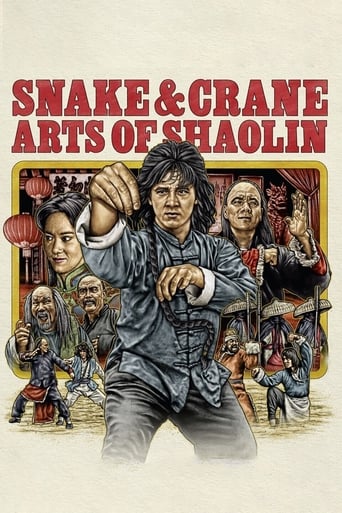
Yuen Woo-ping, later the choreographer of famous Hollywood films, directed Wing Chun, from 1994, with Michelle Yeoh as the woman who gave her name to a style of fighting and runs a tofu shop besides. His The Miracle Fighters is a riot of magic tricks and Taoist conjuring. Sammo Hung stars in Odd Couple, in which two old masters, each unable to defeat the other, train a pupil apiece to settle the matter, and Jackie Chan in Snake & Crane Arts of Shaolin, an early showcase for his acrobatics. The Champions puts Yuen Biao's kicks to work on a football pitch, and Dragon from Shaolin is a children's adventure.
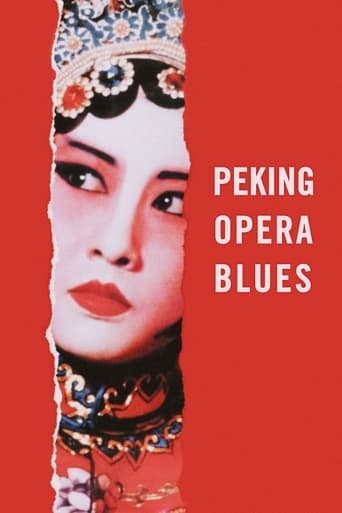
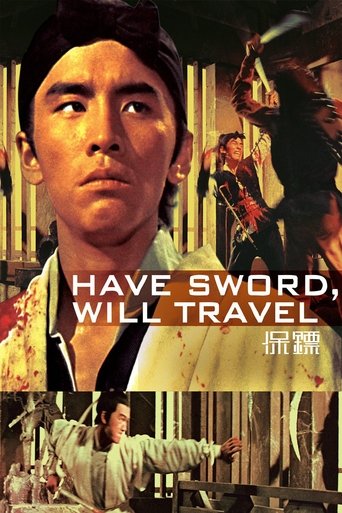
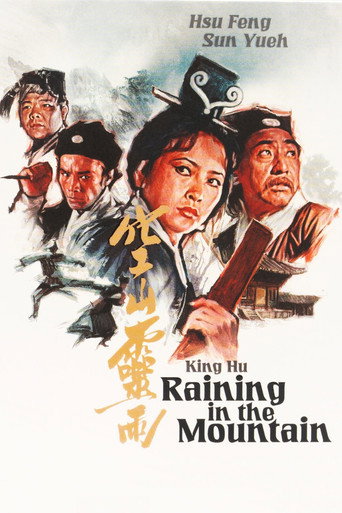
Wuxia, the film of wandering swordsmen and swordswomen, is older and more romantic. Beside A Touch of Zen stands King Hu's Raining in the Mountain, from 1979, set in a great monastery where the old abbot must choose a successor while two visitors scheme to steal a priceless scroll. The Lady Hermit, with Cheng Pei-pei, and Have Sword, Will Travel, with Ti Lung and David Chiang, are Shaw Brothers classics. The Proud Twins and Shaolin Prince are light-hearted tales of brothers parted at birth. Peking Opera Blues, made by Tsui Hark in 1986, belongs to a class of its own: in the Beijing of 1913, a general's daughter, a singer and an actress, played by Brigitte Lin, Sally Yeh and Cherie Chung, tumble through a caper in and around an opera house, with all the colour and timing of the opera itself.
Mainland China
Seventy-one films come from the mainland, and the mainland guide arranges them by generation. The earliest are from the studio era. Early Spring, from 1963, follows an idealistic young teacher to a small town in the 1920s. Two Stage Sisters, made by Xie Jin in 1964, traces the friendship of two performers of Shaoxing opera from a travelling troupe to the theatres of Shanghai, and is regarded as a masterpiece of Chinese film. Xie Jin's The Herdsman, from 1982, tells of a man raised on the northern grasslands whose wealthy father returns from America to take him away, and who chooses to stay. My Memories of Old Beijing, from the same year, sees the city of the 1920s through the eyes of a six-year-old girl, and remains one of the most loved Chinese films about childhood.
The directors who emerged in the eighties are represented by Old Well, Wu Tianming's story of a mountain village that has been digging for water for generations, with Zhang Yimou in the lead; by Life on a String, Chen Kaige's fable of a blind musician told that his sight will return when he has broken a thousand strings; and by two satires by Huang Jianxin, Dislocation, in which an overworked official builds a robot double to attend his meetings, and The Marriage Certificate, about a couple who have mislaid the paper that proves they are married.
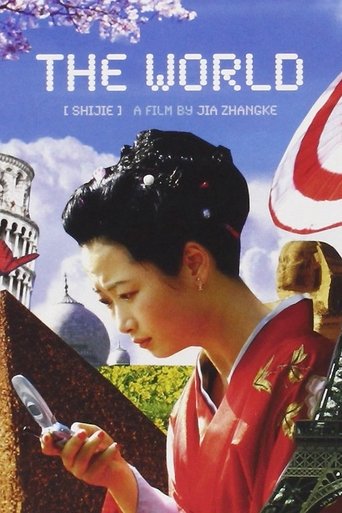
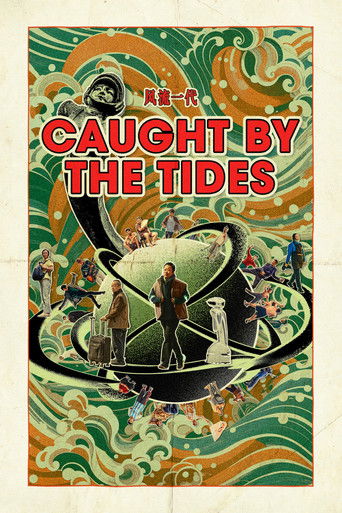
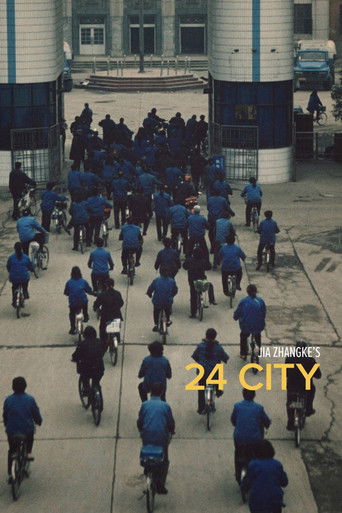
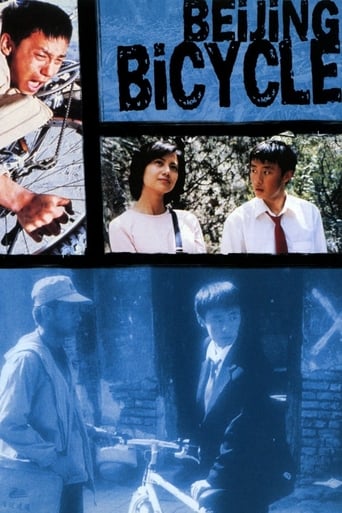
The next generation turned to the present. Wang Xiaoshuai's Beijing Bicycle, from 2001, is about a country boy working as a courier whose bicycle is stolen, and the schoolboy who has bought it in good faith. His Shanghai Dreams concerns families sent inland to work who long to return to the coast, and So Long, My Son, from 2019, follows two couples, once neighbours and workmates, across thirty years; its two leads won both acting prizes at the Berlin festival. Jia Zhangke, the great chronicler of change, has five films here: Platform, about a provincial performing troupe through the eighties; The World, set among the staff of a Beijing theme park of miniature monuments; 24 City; The Hedonists; and Caught by the Tides, assembled from twenty years of his own footage. Gu Changwei's Peacock and And the Spring Comes are portraits of small-town dreamers, the second about a schoolteacher with a glorious voice who longs to sing at the national opera.
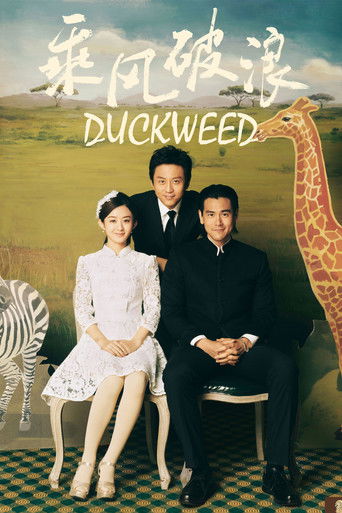
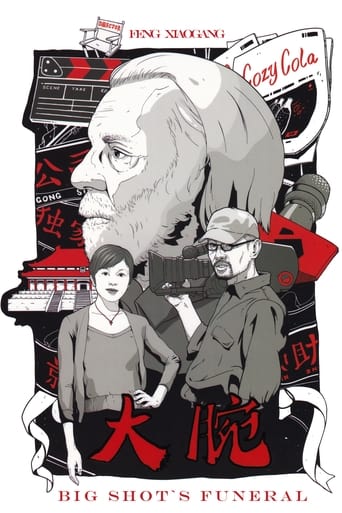
Popular cinema on the mainland has grown enormously, and its comedies are here too. Big Shot's Funeral, Feng Xiaogang's satire of 2001, has Ge You as a cameraman asked to arrange a comedy funeral for a visiting Hollywood director, which he pays for by selling advertising space. Mr. Donkey is set at a remote village school in the 1940s that has registered its water-carrying donkey as a teacher to draw an extra salary, and must produce the teacher when an inspector calls. Duckweed sends a racing driver back to 1998 to meet his father as a young man. Nice View is the story of a young phone repairer in Shenzhen determined to pay for his sister's operation; Go Brother! grants a schoolgirl's wish that her annoying brother would vanish; and The Reunions follows a director back to his family's village to make a film of the New Year.
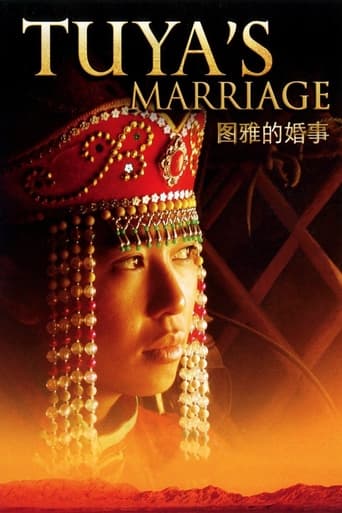
Recent dramas are gentle and humane. The Cord of Life follows a musician who takes his mother, who is losing her memory, back to the grasslands of her youth, joined to her by a rope so that she stays close. The Taste of Rice Flower returns a mother to her village on the border with Burma. Tuya's Marriage, which won the Golden Bear at Berlin, is about a herdswoman of Inner Mongolia seeking a new husband who will also care for the old one. Buddha Mountain gives a retired opera singer three young lodgers. The Hedgehog, All Ears, To Gather Around and The Shadowless Tower are thoughtful films of the last few years, and Living the Land, from 2025, is a year in the life of a ten-year-old raised by his extended family in a farming village.
Taiwan and Singapore
Twenty-eight films come from Taiwan, Singapore and Malaysia, and the Taiwan guide lists them. Hou Hsiao-hsien, the island's great master, appears three times: with Play While You Play, a breezy early romance; with The Time to Live and the Time to Die, from 1985, the story of his own boyhood in a family that had crossed from the mainland; and with Three Times, three love stories set in 1911, 1966 and 2005 and played by the same two actors. Growing Up, from 1983, and Banana Paradise, from 1989, belong to the same wave of films about the island's recent past.
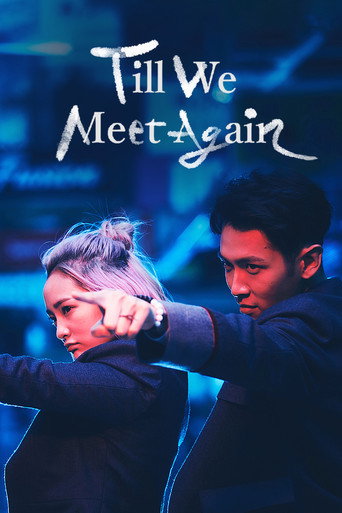
Taiwanese comedy is warm and a little eccentric. Orz Boyz, from 2008, follows two small schoolboys, inseparable troublemakers, who are sure that a water slide is the gateway to another dimension. The Personals is about a young doctor who places an advertisement for a husband and interviews the replies in a teahouse. Secret Love in Peach Blossom Land, from Stan Lai's celebrated play, puts two theatre companies, one rehearsing a tragedy and one a farce, on the same stage on the same night. Day Off, from 2023, is about a barber of forty years' standing who closes her shop for a day to drive across the country and cut the hair of an old customer. Till We Meet Again is a fantasy romance, and Double Happiness a wedding comedy.
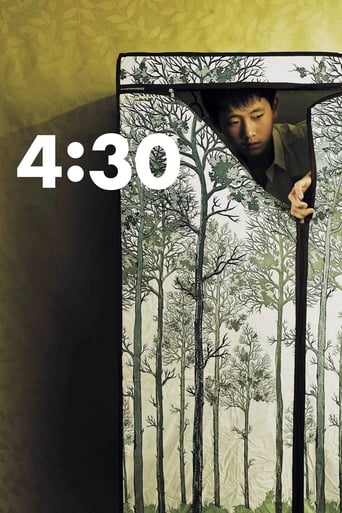
From Singapore come Homerun, Jack Neo's remake of an Iranian classic about a brother and sister who share one pair of shoes; Ajoomma, in which a widow devoted to Korean television dramas takes her first trip abroad, alone, to Seoul; and 4:30, a nearly wordless study of a lonely boy and his family's lodger.
Romance
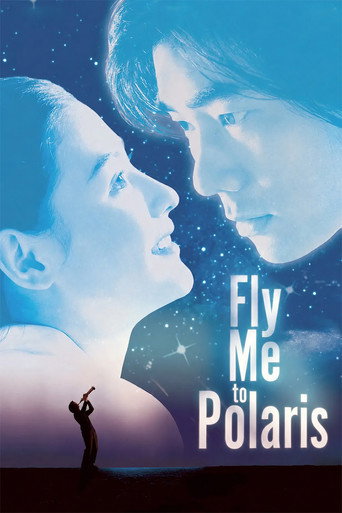
Fifty films are love stories, and the romance guide gathers them. Hong Kong romance at the turn of the century had a style of its own, pretty, wistful and scored with pop songs. Fly Me to Polaris, from 1999, lets a young man return to earth for five days to see the nurse he loved, though she will be unable to recognise him. Anna Magdalena has two flatmates, played by Takeshi Kaneshiro and Aaron Kwok, falling for the pianist upstairs. Para Para Sakura is built around a dance craze, Dot 2 Dot around mysterious patterns of dots painted near the stations of the underground railway, and First Love: The Litter on the Breeze is a playful film about trying to make a film about first love.
On the mainland, the youth romance has become a genre in itself, looking back to school days with affection. My Best Summer, All These Years, Yesterday Once More, Just For Meeting You and Young Style all follow classmates from the examination hall into adult life. First Time is a tender story of a young woman with a failing memory and the musician who courts her. Mr. Pride VS Miss. Prejudice and Bride Wars are bright comedies. Green Tea, from 2003, with Jiang Wen and Zhao Wei, is more grown-up: a reserved graduate student goes on a series of blind dates in tea houses and tells each man the same strange story about a friend. Jasmine Women gives Zhang Ziyi three parts as daughter, mother and grandmother in three periods of Shanghai's history, and Spicy Love Soup serves six short stories of love at six different ages.
Fantasy and adventure
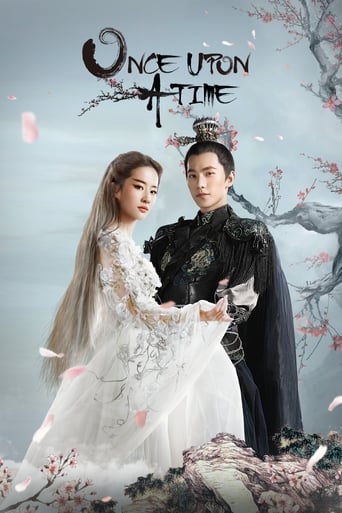
Twenty-eight films are fantasies or adventures, and the fantasy guide lists them. A Terra-Cotta Warrior, from 1989, stars Zhang Yimou and Gong Li, better known as director and leading lady, as a general of the first emperor and the court lady he loves, who meet again in the 1930s when he wakes from his clay shell on a film set. A Chinese Odyssey Part Three returns to the Monkey King. Once Upon a Time is a romance among immortals, with lavish scenery of peach forests and cloud palaces, and The Legend of Condor Hero: What is Love and The Untamed: Fatal Journey draw on much-loved novels and series of swordsmen and spirits.
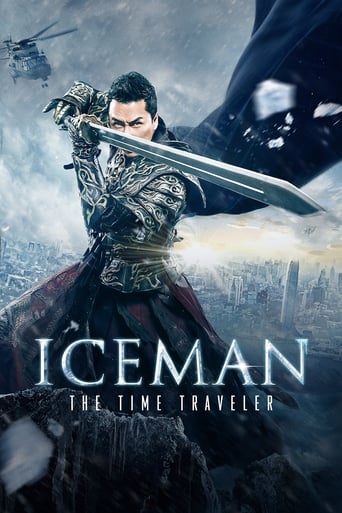
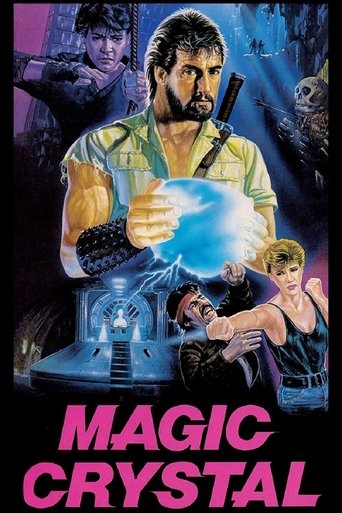
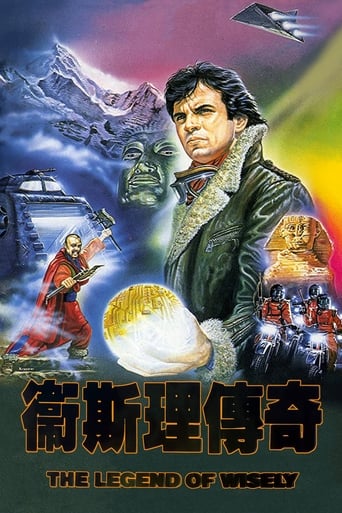
The adventures are lighter. The Legend of Wisely, from 1987, sends the hero of a famous series of pulp novels to Nepal and Egypt in search of a pearl. Magic Crystal is a children's adventure about a boy and a talking stone, with a good deal of kung fu around the edges. Iceman: The Time Traveler thaws a Ming dynasty guard in modern Hong Kong, and Last Sunrise is a small, thoughtful piece of science fiction about a world that wakes to find the sun gone. Trail of the Panda, made with the Disney studio, is the story of an orphan boy who rescues a lost panda cub in the mountains of Sichuan.
Children, school and youth
Fifty-four films are about the young, and the youth guide introduces them. The films of childhood are among the finest in the catalogue: My Memories of Old Beijing, Little Cheung, Orz Boyz, Homerun and The Time to Live and the Time to Die each see an adult world through a child's patient, puzzled eyes. Left-Handed Girl, from 2025, set at a noodle stand in a Taipei night market, belongs with them, and so does Red Persimmon, a memory of a grandmother and her many grandchildren.
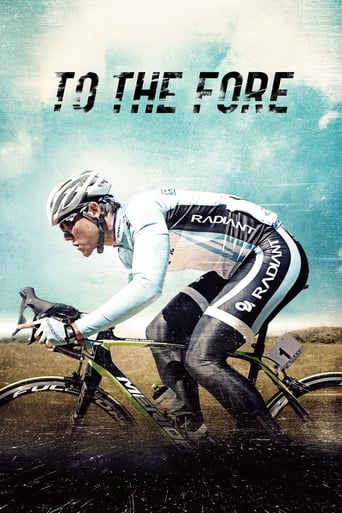
School stories are a staple. Old Boys, which began as a short film watched by tens of millions online, follows two friends who formed a band at school and try again in middle age. Coffee or Tea? sends three young men back to an ancient village in Yunnan to start a delivery business among the coffee growers. You are the Best, directed by and starring Jiang Wen, tells of the boyhood of the pianist Lang Lang and the father who gave up everything for his son's talent. Ping-Pong: The Triumph recounts how the Chinese men's table tennis team rebuilt itself in the early nineties, and To the Fore is set in the world of professional cycling.
Food
Fifteen films revolve around food, and the food guide lists them. Beside The God of Cookery stands Cook Up a Storm, from 2017, in which a street cook of Cantonese dishes, played by Nicholas Tse, and a chef trained in France with Michelin stars find themselves on opposite sides of the same lane and then of the same international contest. The Dumpling Queen, from 2025, is the true story of a woman who arrived in Hong Kong with two daughters and a recipe and built a famous brand from a wooden cart on a pier. Fagara, named for the numbing Sichuan pepper, brings together three half-sisters from Hong Kong, Taiwan and Chongqing to keep their late father's hot-pot restaurant alive. In each of them, cooking for someone is the surest way of saying what is hard to say aloud.
Opera, music and the film world
Thirty-eight films are set among performers, and the stage and screen guide covers them. Chinese opera, with its painted faces, acrobatics and falsetto singing, runs through the catalogue from Two Stage Sisters to Peking Opera Blues. The opera schools trained many of the stars of kung fu cinema, Jackie Chan, Sammo Hung and Yuen Biao among them, which is why their films move as they do. The Dream of the Red Chamber, from 1977, films the most famous of all Chinese novels in the style of a sung opera, with Brigitte Lin and Sylvia Chang.
Popular music has its films: Anita, with its recreations of the great concerts of the eighties; Old Boys; and DiDi's Dreams, a comedy about a struggling actress in the shadow of a famous sister. The film industry looks at itself in My Name Is Fame, in which a once-promising actor reduced to bit parts coaches an eager newcomer; in Ripples of Life, about a film crew descending on a small town; and in In the Mood for Love 2001, a short by Wong Kar-wai set in a convenience store, with Maggie Cheung and Tony Leung Chiu-wai.
Drama
A hundred and ten films are dramas, and the drama guide offers a route through them. Many concern work and the people who do it. I'm Livin' It, from 2020, is about the men and women who spend their nights in a twenty-four-hour restaurant in Hong Kong, and the former financier among them who looks after the rest. The Narrow Road follows the owner of a one-man cleaning business through the months of the pandemic and the young mother he hires. Cageman, from 1992, is a tragicomedy about the residents of a boarding house whose beds are wire cages, facing eviction. Return Ticket is set among women from Anhui working in Shanghai who club together to hire a bus home for the New Year.
Others turn on the bond between parents and children. The Falls, from Taiwan, shuts a mother and her teenage daughter in a flat together during quarantine and lets them, slowly, change places as carer and cared-for. My Dear Liar is about a father who takes a job as a model patient to pay for his son's treatment. When Love Comes is the portrait of a large and complicated household above a restaurant. Eight Taels of Gold, directed by Mabel Cheung in 1989, sends a taxi driver, played by Sammo Hung in a rare gentle part, home from New York to his village after sixteen years, with a cousin played by Sylvia Chang for company on the road.
A few are films of history and character. The Go Master is the life of Wu Qingyuan, the greatest player of the ancient board game, who spent his career in Japan. The True Story of Ah Q, from Lu Xun's famous tale, is a tragicomedy of a village labourer who turns every defeat into a moral victory. Red Firecracker, Green Firecracker is set in a family of firework makers on the Yellow River a century ago, and The Arch, from 1969, a landmark of independent film-making by a woman director, is the story of a widow honoured for her virtue. Bruce Lee, My Brother recalls the star's Hong Kong boyhood as his family remembers it, before fame.
Sport and competition
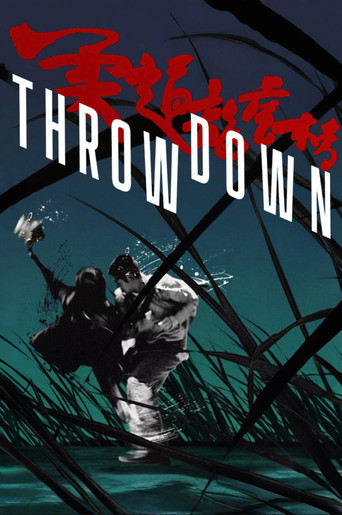
Ten films are about games and contests. Johnnie To's Throw Down, from 2004, is a tribute to the Japanese master Akira Kurosawa and to judo: a former champion who now runs a bar, a young challenger and an aspiring singer drift together through the Hong Kong night, and each recovers some nerve. Unbeatable, from 2013, gives Nick Cheung an award-winning part as a former boxing champion who trains a young man for a mixed martial arts tournament and helps a mother and her small daughter along the way. With Weeds on Fire, Ping-Pong: The Triumph and To the Fore, they make a short but spirited shelf.
Watching in Chinese
Every film on Cinejoy was made in a Chinese language, and the watching in Chinese page gives a few practical notes. Films from the mainland and Taiwan are mostly in Mandarin; films from Hong Kong are mostly in Cantonese, a quite different spoken language with more tones and a rapid, punning humour of its own. Many Hong Kong films were released in both, and services sometimes offer the two tracks; where there is a choice, the Cantonese original is usually the livelier. Regional speech matters too: the Shanxi dialect of Jia Zhangke's films and the Taiwanese of Hou Hsiao-hsien's are part of their truthfulness.
Most services offer English subtitles, chosen from the language menu on the player. Each film page shows the Chinese title beside the English one, which helps when a film has travelled under several names, as many kung fu films have. Names follow Chinese order, family name first, so that the director of A Touch of Zen is Hu, and the star of The God of Cookery is Chow.
City and countryside
Chinese-language films are unusually attentive to place, and the catalogue can be read as a map. Beijing appears in its old lanes and courtyards in My Memories of Old Beijing, as a city of bicycles and building sites in Beijing Bicycle, and as a capital of tea houses and blind dates in Green Tea. Shanghai is the setting of Jasmine Women and the destination of the working women of Return Ticket. Hong Kong is seen from street level, in the cafes and tenement stairs of Little Cheung, the all-night restaurant of I'm Livin' It and the neon streets of Throw Down. Taipei has its night markets in Left-Handed Girl and its barber's shop in Day Off, where an elderly hairdresser closes for the day and drives across the island to cut the hair of an old customer.
The countryside is just as present. Tuya's Marriage is set on the grasslands of Inner Mongolia, where a herdswoman looks for a new husband who will agree to care for the old one. The Cord of Life crosses the same steppe with a musician and his mother. The Taste of Rice Flower takes place in a Dai village on the border of Yunnan, to which a mother returns from the city to find her daughter grown, and Coffee or Tea? climbs to the coffee terraces of the same province. And the Spring Comes and Buddha Mountain belong to the provincial towns, with their music teachers, railway lines and big hopes. Yanagawa travels furthest, following two brothers from Beijing to a town of canals in Japan in search of a woman both once loved.
Holidays and the New Year
The Lunar New Year is the great season of Chinese cinema, and for decades Hong Kong and mainland studios have made cheerful ensemble comedies to open with it. Several are here. The Reunions gathers a family around a grandmother's birthday while a film crew looks on. The Ridiculous Spring Festival Gala Tour follows a group of Chinese living overseas as they rehearse their own New Year show, full of homesickness and holiday customs. Double Happiness gives a hotel chef in Taiwan a wedding day on which his divorced parents each insist on a banquet of their own, Money Crazy is a Hong Kong caper comedy of 1977 in the same spirit of luck and quick wits, and Lost in Thailand was itself a record-breaking holiday release. They are films made for a full sofa and a table of snacks, and they are the easiest of all to enjoy across the generations.
Weddings and reunions supply many of the other occasions. Paper Marriage, from 1988, pairs Sammo Hung and Maggie Cheung in a marriage of convenience in Canada that turns into the real thing. Break Up 100 follows a couple who open a cafe where customers may leave the keepsakes of past romances. Beautiful Accident gives a single-minded lawyer a week in the life of a mother of two, and The Third Way of Love and You and Me tell their love stories in a quieter key. Caught in the Web, by Chen Kaige, starts from a small moment on a bus that is filmed on a telephone and seen by millions, and follows what it does to everyone involved.
More from the martial arts shelf
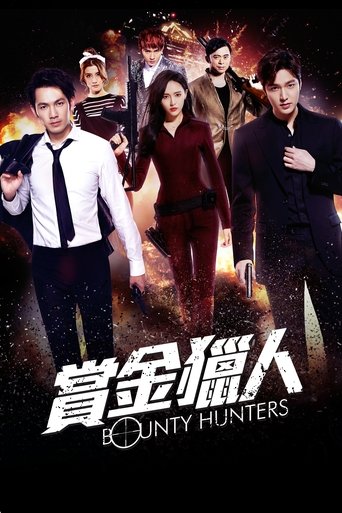
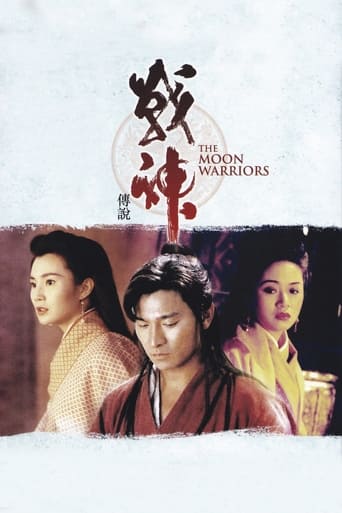
Beyond the famous titles, the kung fu and wuxia list rewards a second visit. Moon Warriors, from 1992, sets Andy Lau, Anita Mui and Maggie Cheung in a bamboo forest and a fishing village, with a friendly whale for company. Holy Weapon is a swordplay comedy with a cast of seven leading ladies. Wu Yen, by Johnnie To, is a costume farce in which all three principal parts, the emperor among them, are played by women. Bounty Hunters is a modern caper with bodyguards in Seoul and Hong Kong, Flashover a tale of firemen, and The Palace a romance of the Qing court seen through the eyes of two young maids. Soul Snatcher sends a scholar on the road to the capital with a fox spirit for a companion, and Awakened Demon is a lively fantasy of monks and monsters.
Comedy runs through this shelf as well. The Shaw Brothers films of Lau Kar-leung treat training as a kind of game, with benches, bamboo scaffolding and kitchen tools pressed into service, and the humour of Return to the 36th Chamber comes from a cheerful impostor who learns real skill almost by accident. Later films borrow the same lightness: the heroes are quick, generous and a little vain, the masters are stern and secretly fond, and the contest at the end is settled by wit as much as by strength. It is a tradition that welcomes newcomers, and a single evening with one of these films usually leads to a second.
From the sixties to today
Read by decade, the catalogue follows the fortunes of three film industries. The fifteen films from before 1980 are divided between the Shanghai studio tradition, in Early Spring and Two Stage Sisters, and the great Hong Kong studios, above all Shaw Brothers, whose colour, sets and choreography made the Mandarin-language swordplay film a worldwide success. The twenty-five films of the eighties show Hong Kong at its most inventive, with a new wave of directors such as Tsui Hark alongside the comedians, while on the mainland and in Taiwan young film-makers turned to the countryside and to their own childhoods.
The nineteen films of the nineties and the twenty-eight of the 2000s reflect a shift of weight. Hong Kong's output shrank and became more reflective; the mainland's independent directors, working with small crews in provincial towns, won prizes around the world. The seventy-two films since 2010 belong to a period in which mainland China became the largest cinema market on earth. Its comedies, youth romances and family dramas are made on a scale the earlier directors could hardly have imagined, and they share the shelf here with the quiet films that still appear each year from Taiwan, Hong Kong and Singapore.
Names to follow
A few names serve as guides. Among directors, Lau Kar-leung, Jia Zhangke and Johnnie To have five films each, and Hou Hsiao-hsien, Wang Xiaoshuai, Gu Changwei and Yuen Woo-ping three. Among performers, Sylvia Chang, who is also a writer and director, appears five times across four decades, from The Dream of the Red Chamber to Buddha Mountain. Brigitte Lin, the great star of the eighties, is seen in opera costume, in a general's uniform and on a rehearsal stage. Zhao Tao is the face of Jia Zhangke's films. Miriam Yeung, Cecilia Cheung, Sammi Cheng and Aaron Kwok carry the Hong Kong romances, and Deng Chao, Ge You and Jiang Wen the mainland comedies and dramas.
Following a name is the easiest way across the borders of the catalogue. Kara Wai, a kung fu comedienne in My Young Auntie in 1981, is a matriarch in The Dumpling Queen in 2025. Sammo Hung is a clown in one film and a homesick taxi driver in another. A viewer who enjoys one performance will find the others a few presses away, since every film page lists its principal cast.
Choosing well
A few habits make choosing easier. For a mixed household, begin with the comedies and the kung fu comedies, whose slapstick needs little translation. For older children, the films of childhood and school are rewarding and often open the way to good conversations. For the adults, the dramas of Jia Zhangke, Wang Xiaoshuai and Hou Hsiao-hsien ask for a quiet evening and repay it. The running times vary more than in most catalogues: Hong Kong comedies are often ninety minutes, while A Touch of Zen and So Long, My Son run to three hours, and each film page gives the length.
Search, lists and My List
The search field in the header answers as you type and sets aside filler words such as watch, online and free. The finding titles page describes the search, the lists and the A to Z, which sets out all 159 films in alphabetical order.
Twenty lists divide the catalogue. Six follow the decades, from before 1980 to 2020 onwards. Five follow kind: comedy, drama, romance, kung fu and wuxia, and fantasy and adventure. Three follow place: mainland China, Hong Kong, and Taiwan and Singapore. Four follow subject: youth and school, food, stage and screen, and sport. Top rated holds the forty-six films that viewers have scored highest, and All titles holds everything. A film may sit in several lists at once, so Peking Opera Blues is found under comedy, kung fu and wuxia, Hong Kong, stage and screen and the eighties alike.
My List is your saved row of films. Each film page carries an Add to My List button, and the outlined My List button in the header opens the row as a grid of posters. It is kept by the browser on this device only and reappears each time you come back, and the list page can write it to a file to restore elsewhere. The My List page gives the steps, and the how to watch page explains the path from a title to a service.
A film page on Cinejoy is laid out for a quick decision: the still and poster first, then the year, running time and genres, the story in a paragraph, the director and cast, and finally the country selector with its Watch now button. Fifteen countries are offered, and the choice is remembered for the next film.
Four evenings, three cinemas
A simple plan shows the range of these Chinese-language films. On the first evening, Hong Kong at play: The God of Cookery or Peking Opera Blues. On the second, the martial arts: Return to the 36th Chamber for laughter, or A Touch of Zen for grandeur. On the third, the mainland: Lost in Thailand if the day has been long, Beijing Bicycle or My Memories of Old Beijing if there is time to think. On the fourth, Taiwan: Orz Boyz with the children, or Three Times once they are asleep. After that the chips on the home page will carry you on.
Questions and answers
Questions
What is Cinejoy?
Cinejoy is a guide to 159 Chinese-language films from 1963 to 2026, each with its story, cast and a Watch now button to the official services that carry it.
Which film should I watch first?
Start with The God of Cookery, A Touch of Zen or Lost in Thailand. They introduce Hong Kong comedy, the swordplay film and the popular cinema of the mainland.
Is the catalogue suitable for families?
Yes. Every summary was read by hand, and triad and crime films, horror, battlefield films and adult dramas were left out. The martial arts films chosen are acrobatic and comic.
Where do the films come from?
Seventy-one are from mainland China, sixty-two from Hong Kong, and twenty-eight from Taiwan, Singapore and Malaysia, with some made jointly.
Are the films in Mandarin or Cantonese?
Mainland and Taiwanese films are mostly in Mandarin and Hong Kong films mostly in Cantonese. Most services offer English subtitles.
How long are the films?
Most run ninety minutes to two hours. A Touch of Zen and So Long, My Son are about three hours, and each film page gives the length.
How does My List work?
Press Add to My List on any film page. The list is kept by the browser on this device, and the list page can write it to a file.
Does Cinejoy host films or downloads?
Cinejoy is a guide only. Every Watch now button opens JustWatch, which lists the official streaming, rental and purchase services for your country.